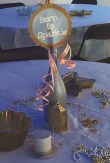
 Years ago, when my hostessing merely twinkled and had not yet developed into a full on sparkle, I read an article on entertaining in one of my favorite lifestyle magazines. I’m sure it was full to the brim with helpful tips and tricks, but the one that has stuck with me was a reminder to leave time in the planning and preparation for an event to pull yourself together. The article cautioned budding hosts and hostesses that guests didn’t want to arrive to a stressed and disheveled host unable to greet them and issued a firm reminder that people are there, first and foremost, for their host.
Armed with this sage wisdom and a deep love of entertaining, I set out to dazzle friends and family at dinners, barbeques, brunches and holidays.  Any gathering was a chance for an occasion.
  A girl’s night in was a chance to try out sangria and martini recipes. A jewelry party was an opportunity for themed door prizes and fondue bars. A barbeque was not a
 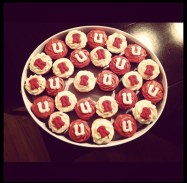 just barbeque…it was a red gingham themed picnic, a luau or a Rutgers football rally. Slowly but surely, I found my own hostessing style and developed my philosophy of generous hospitality and creative theming. I also learned the value of setting a few hours aside before the guests were set to arrive to clean up, change and make myself feel like a participant in the party. That doesn’t mean that I sweep aside the hard work of hosting the minute my guests began to arrive. What it does mean is that I strive for my guests to find me dressed and ready to greet them as I pull together any finishing touches and set about making them feel at home.
When it comes to developing your own entertaining skills, remember that as the host you set the tone for every event you hold. A big part of that tone is, of course, the planning and preparation that occurs before the party. The organization, décor, entertainment and menu are critical components in creating an enjoyable event for your guests. However, as I mentioned at the end of The Dazzle is in The Details, a happy host is the most important décor a party can have.
The ultimate goal of hosting is to ensure your guests feel engaged in the event and well attended to. 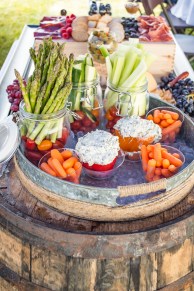 That means planning a gathering that you can be a proper host to. If you’re inexperienced with entertaining or uncomfortable in the kitchen, the most elegant approach to take is to simplify.
 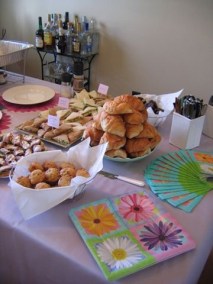 Prepare a straightforward plan for your affair and create a layout and timeline for putting it into action. Find a basic color palate that can be easily coordinated. Choose appetizers that can be laid out in advance that combine style, substance and simplicity. Think of elegant antipasto, charcuterie & crudité platters. Cater your main courses or rely on tried and true recipes you feel comfortable with. A selection of wine and seasonal beer are appropriate for any occasion and won’t require your attention at the bar. If you want to add some visual and palate pleasing pizazz you can plan a simple build your own food bar or beverage bar to engage your guests. Once you’ve set a simple and stunning stage, focus on being present and attentive to your guests.
As you develop a comfort level, you may start to plan more elaborate events. However, throwing large and intricate parties isn’t for everyone. You may choose to stick with a simple hosting style on your own and to call in a professional when the planning and coordination get beyond you. No matter which path you choose, a dazzling at home affair is never unattainable as long as you remember that you are the sparkle that lets your event shine.
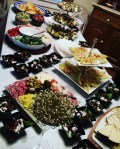 Growing up, Christmas Eve consisted of friends who felt like family gathering in my parent’s home. Though there was ample seating throughout the house, everyone spent their fair share of time crowded in the kitchen. They congregated around a countertop teaming with appetizers and the stove which held a pot of my mother’s famous soup and a pot of acini di pepe (or ‘dots’ as we affectionately referred to the tiny pasta) which each guest mixed to their own specifications before topping it with grated parmesan. Perhaps it’s these fond memories of guests deciding what their personal ‘mix’ of the famed broth, meatballs and noodles would be which led to my general love of any type of a “build your own” bar at gatherings.
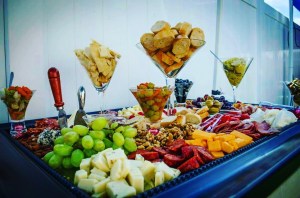 Not long ago, I discussed the art of the antipasto and how to turn an initial food offering into an appetizer display that will delight all your guests. However, there are other ways you can take the appetizer offering a step further. For instance, by including a delightful crudités bar. Consider arranging vegetable sticks in vases of different shapes and heights with cherry tomatoes in the bottom for a bright and vibrant display. Serve dips in hollowed out bell peppers of different colors.
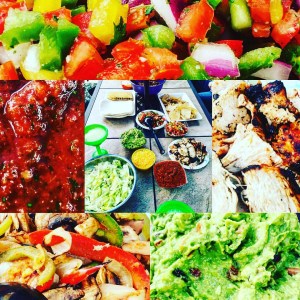 You don’t have to leave the fun of a food bar behind after the appetizer course, there are a number of ways to turn your main course into a creative adventure for your guests. My favorite is a taco bar. There are so many ways to please guests with this classic “build your own” bar. I would suggest including two to three filling options such as seasoned ground beef, ground turkey, sliced chicken breast, sliced steak, or shredded chicken or pork. If you have vegetarian guests you can substitute one of your meat fillings with seasoned cauliflower rice, diced mushrooms, quinoa or tofu. The fun really begins with the toppings. I like to include a variety of shredded cheeses, thinly sliced red cabbage, diced tomato, black olives, lettuce, pico de gallo, salsa, guacamole and sour cream. Finally, offer a selection of ‘vessels’ for your tacos such as hard shells, flour and corn tortillas and tortilla chips. This type of bar can range from a simple table top spread to an elaborate display and can be modified to create the most basic tacos to something truly gourmet. You can also modify this theme to a burrito bowl bar and include rice, beans and corn.
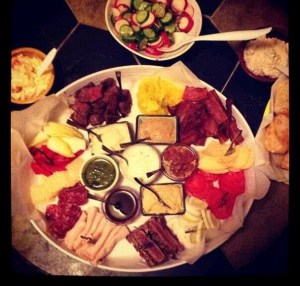 Taco bars may be near and dear to me, but there are so many lunch and dinner food bar options you can experiment with. A simple approach to a food bar is a sandwich bar with a variety of meats, cheeses, breads and spreads. Include interesting vegetable options such as roasted peppers and pickled items along with more standard tomatoes, lettuce and onions. You can get as creative as you want with your meat and spread offerings by including anything from the simplest cold cuts with mayo to seared tuna or steak with chimichurri sauce. You can also dress this bar up or down with your bread selections offering anything from the basic hard roll and sliced bread to loaves of artisanal bakery bread. When I have a larger variety of offerings on my sandwich bar, I like to offer sliced French bread or crostini in the event guests want to have multiple smaller sandwiches.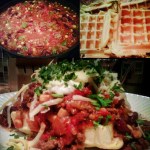



 A Sparkling Affair Events